Precise process heat for chemicals & pharmaceuticals
Precisely controllable heating and measuring processes are crucial for quality, safety and efficiency in the chemical and pharmaceutical industries. Special heating elements, high-precision Temperature probes and reliable pressure measuring devices ensure that complex reactions and production steps run stably, reproducibly and in compliance with regulations. The optimum interplay of heating, measurement and control creates robust process conditions that meet the high demands of modern chemical and pharmaceutical applications.
Precisely controllable heating processes play a crucial role in the chemical and pharmaceutical industries. Constant and reproducible temperature control is central to syntheses and distillations as well as fermentations, drying processes and stability tests. In order to meet the high quality and safety requirements of these industries, specialized heating elements, Temperature probes and pressure measuring devices are used, which are adapted to difficult environments, aggressive media and strict regulatory requirements.
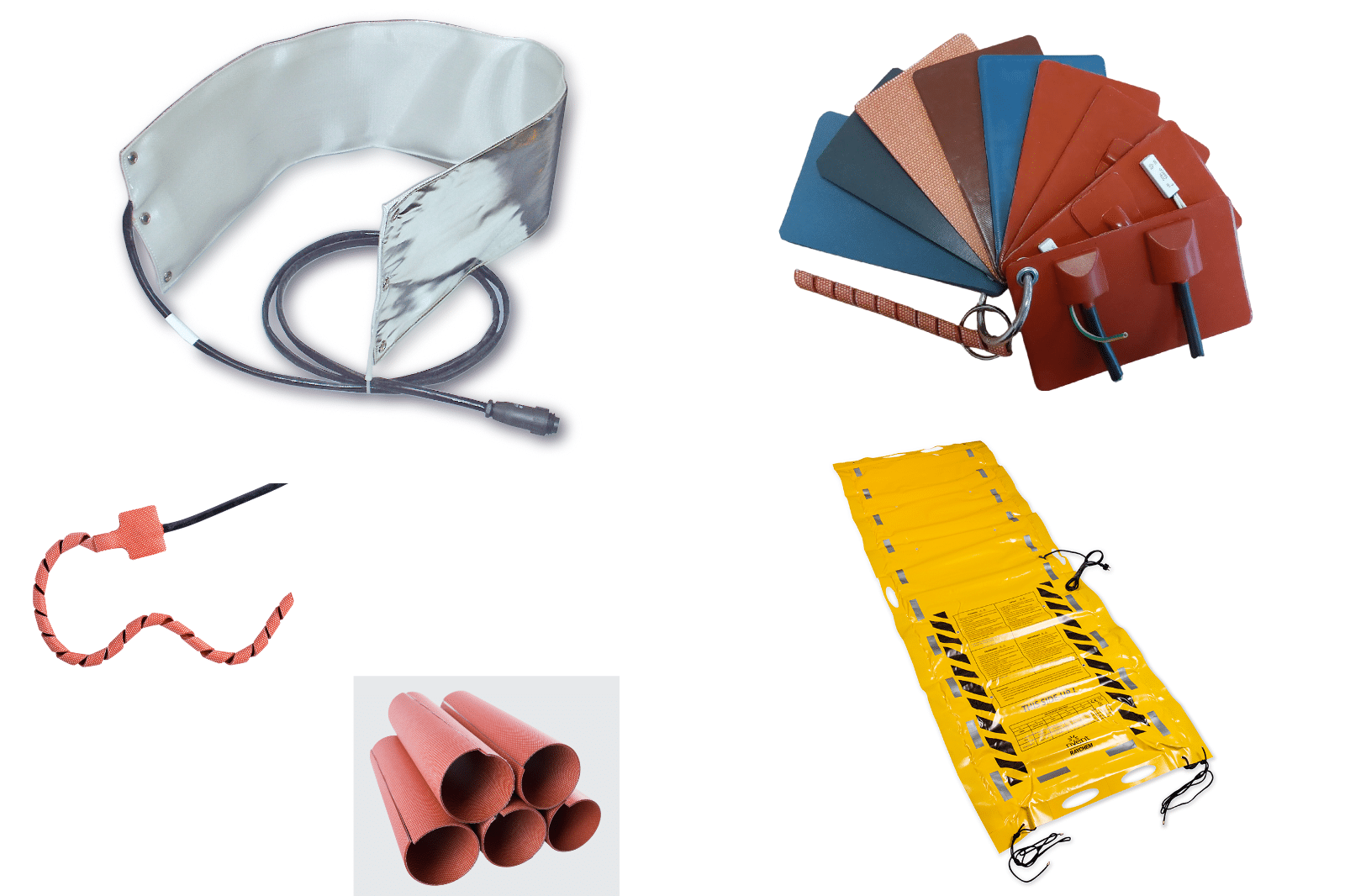
Heating elements in chemical and pharmaceutical applications must not only provide reliable heat, but also be resistant to solvents, acids and bases. Homogeneous heat distribution is also important to allow reactions to take place in a controlled manner. Typical solutions range from robust cartridge and tubular heating elements to flexible silicone heating mats to heating baths for laboratory use. Silicone heating mats are often used for the temperature control of tanks, pipes or IBC containers, where they deliver a high surface area output despite their low height.
Precise temperature detection is just as important. Temperature probes such as Pt100 or Pt1000 sensors offer high measurement accuracy and are suitable for both reactors and hygienic processes in the pharmaceutical industry. Hygienic connection types such as Tri-Clamp ensure that the sensors can be easily sterilized or integrated into CIP/SIP processes. Thermocouples that can reliably detect temperatures in the range between 800 and 1200°C are used for high-temperature processes, such as in ovens or drying systems. Modern variants are also designed in such a way that they provide stable measured values over the long term and also function reliably under pressure, vibration or chemical stress.
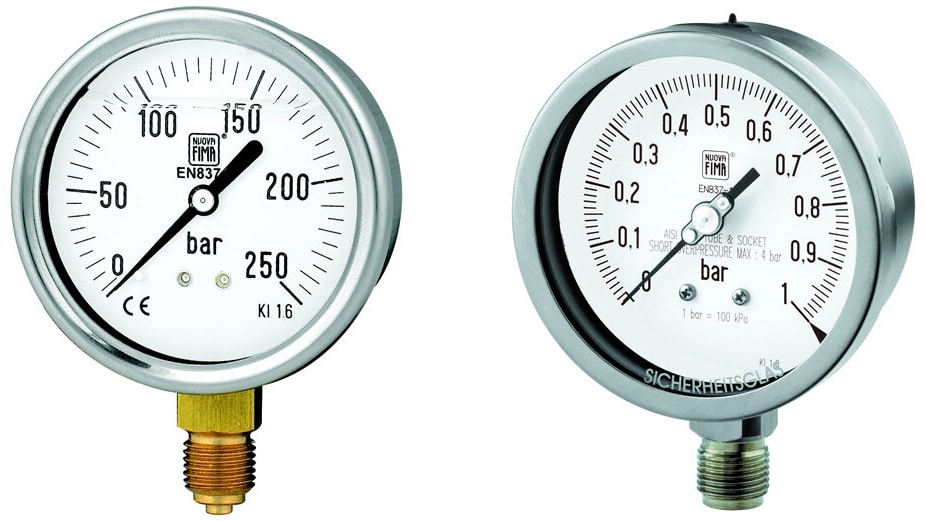
Pressure gauges complete the control concept and make a significant contribution to process safety. In chemical reactors, fermenters or filtration systems, continuous pressure monitoring is essential to ensure stable reaction conditions and to detect dangers such as overpressure at an early stage. Mechanical pressure gauges made of stainless steel are just as common here as electronic pressure transmitters, which transmit precise measured values directly to higher-level control and management systems.
The interplay of heating, measuring and control enables efficient and safe system management. Heating elements generate the required process heat, while Temperature probes and pressure sensors monitor all relevant parameters. The measured values obtained are processed in precise control systems that dynamically adjust the heating output and thus ensure stable production conditions. This results in reliable and reproducible processes that meet the high quality requirements of the chemical and pharmaceutical industries.
K. Mösch AG
Hintermättlistrasse 11
CH-5506 Mägenwil
Switzerland
Request solution
"*" indicates required fields
Cookie-Zustimmung verwalten
To provide the best experiences, we use technologies like cookies to store and/or access device information. Consenting to these technologies will allow us to process data such as browsing behavior or unique IDs on this site. Not consenting or withdrawing consent, may adversely affect certain features and functions.
Funktional
Always active
Die technische Speicherung oder der Zugang ist unbedingt erforderlich für den rechtmäßigen Zweck, die Nutzung eines bestimmten Dienstes zu ermöglichen, der vom Teilnehmer oder Nutzer ausdrücklich gewünscht wird, oder für den alleinigen Zweck, die Übertragung einer Nachricht über ein elektronisches Kommunikationsnetz durchzuführen.
Preferences
The technical storage or access is necessary for the legitimate purpose of storing preferences that are not requested by the subscriber or user.
Statistiken
The technical storage or access that is used exclusively for statistical purposes.Die technische Speicherung oder der Zugriff, der ausschließlich zu anonymen statistischen Zwecken verwendet wird. Ohne eine Vorladung, die freiwillige Zustimmung deines Internetdienstanbieters oder zusätzliche Aufzeichnungen von Dritten können die zu diesem Zweck gespeicherten oder abgerufenen Informationen allein in der Regel nicht dazu verwendet werden, dich zu identifizieren.
Marketing
Die technische Speicherung oder der Zugriff ist erforderlich, um Nutzerprofile zu erstellen, um Werbung zu versenden oder um den Nutzer auf einer Website oder über mehrere Websites hinweg zu ähnlichen Marketingzwecken zu verfolgen.